
Commissioning
Commissioning Services
Commissioning is a systematic and documented process of verifying that an AC or refrigeration system and its components are installed and operating according to the design specifications and the owner’s operational needs. It is performed after installation but before the system is handed over to the building owner or operator. Proper commissioning is essential for ensuring energy efficiency, extending equipment lifespan, and maximizing occupant comfort.
The stages of commissioning
Commissioning typically involves several phases, ranging from initial design reviews to post-occupancy care. Pre-commissioning
- Verification of installation: Before the system is powered on, a technician inspects all components to ensure they were installed correctly and are free from damage.
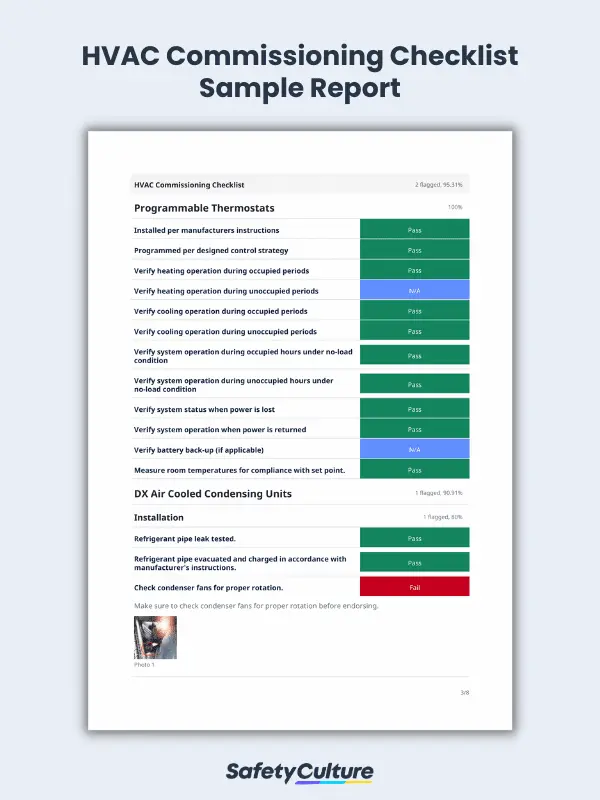
- Checklists: Checklists are used to verify that refrigerant lines are pressure-tested and properly insulated, electrical connections are correct, and all safety devices are in place.
Functional testing
- Initial startup: The technician powers on the system and monitors the start-up sequence, noting any unusual noises or vibrations.
- Performance measurement: Using specialized tools, the technician measures key parameters like refrigerant pressure and temperature, as well as airflow and electrical draw, to confirm they are within the manufacturer’s specifications.
- Adjusting and balancing (TAB): This part of the process involves measuring and adjusting airflow and water flow rates in the system to ensure they are delivered to all areas of the building as intended by the design.
- Controls verification: Technicians test and calibrate thermostats, control sensors, and safety controls to ensure the system responds correctly to different operating conditions.